Introduction
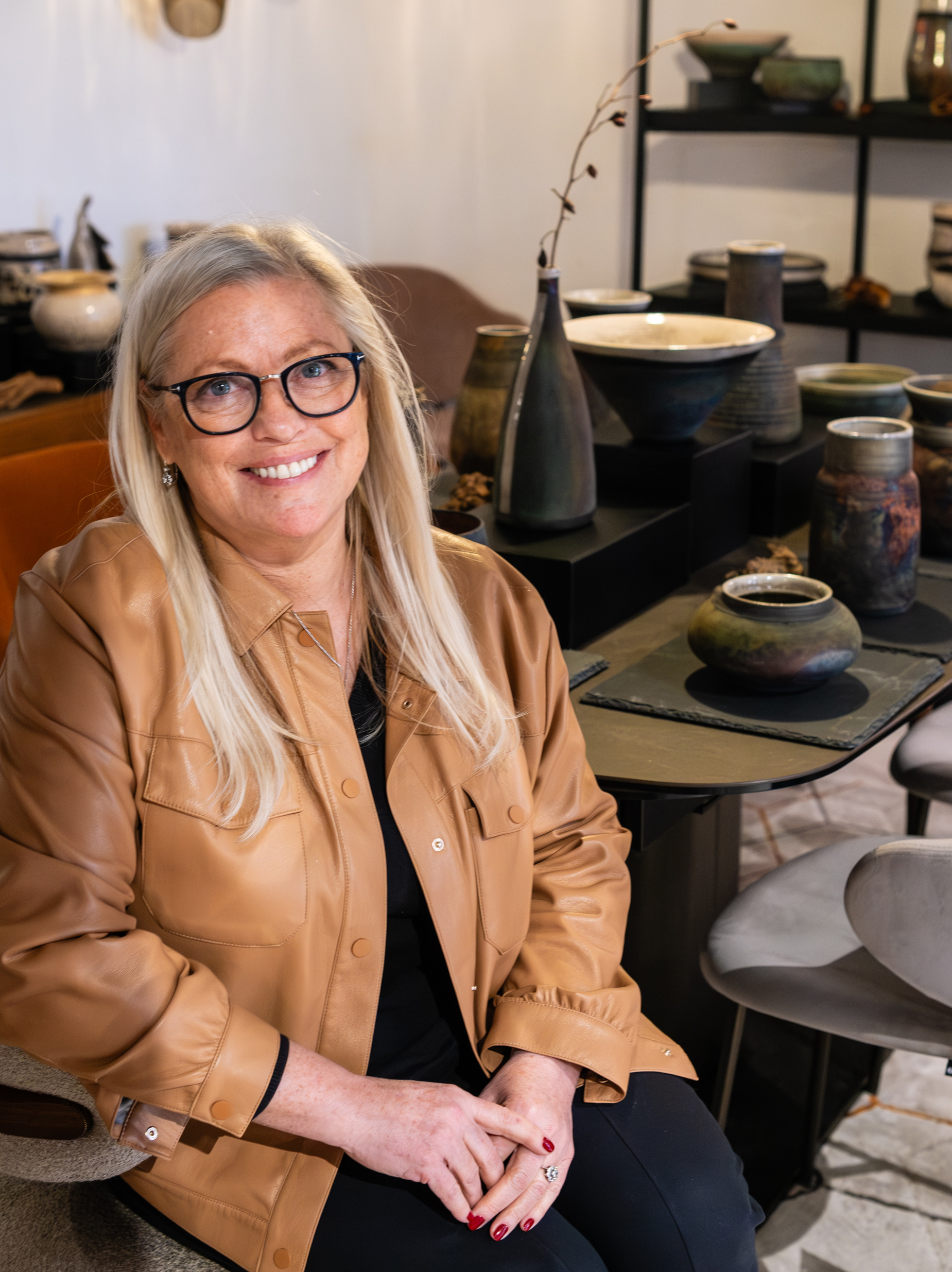
My name is Ágnes Soltész, I am a ceramic artist.
Since childhood, it has been my dream to work with clay. I watched with fascination as forms emerged on the potter’s wheel, witnessing the moment when material comes alive under human hands. Although it took many years for this dream to be fulfilled, once I finally stepped onto this path, the experience was overwhelming—it fundamentally transformed my life.
For me, creation is not merely about shaping objects, but about an inner process. While working with clay, not only objects are born, but encounters as well: with the material, with nature, and with myself. I believe that true quality arises from authentic, self-honest creation. “When it comes to being yourself, there are no rules. We are limitless until we set boundaries for ourselves.”
„Ha arról van szó, hogy légy önmagad, nincsenek szabályok. Határtalanok vagyunk, amíg nem szabunk határokat saját magunknak.”
In my work, I seek the natural character of the material, the visible trace of the hand, and the uniqueness of the moment. Each piece carries the imprint of an inner journey—singular and unrepeatable, just like the process through which it came into being.
The Philosophy Behind My Work
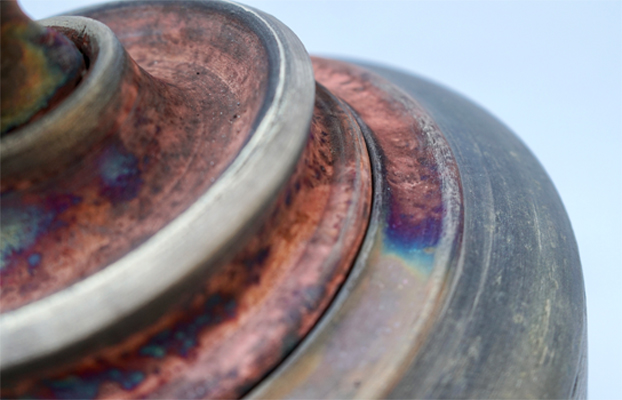
The world of raku ceramics is especially close to me, as this technique never allows full control over the outcome. Fire, air, water, and earth shape the final result together, often in unpredictable ways. This uncertainty is not an obstacle but an opportunity—it teaches surrender and presence.
During the creative process, my intention is not to dominate the material, but to work in harmony with it. When I am truly present and accept the forces of nature, creation transcends the object itself and becomes an inner experience. In these moments, the ceramic is no longer merely a functional or aesthetic piece, but the reflection of an inner state.
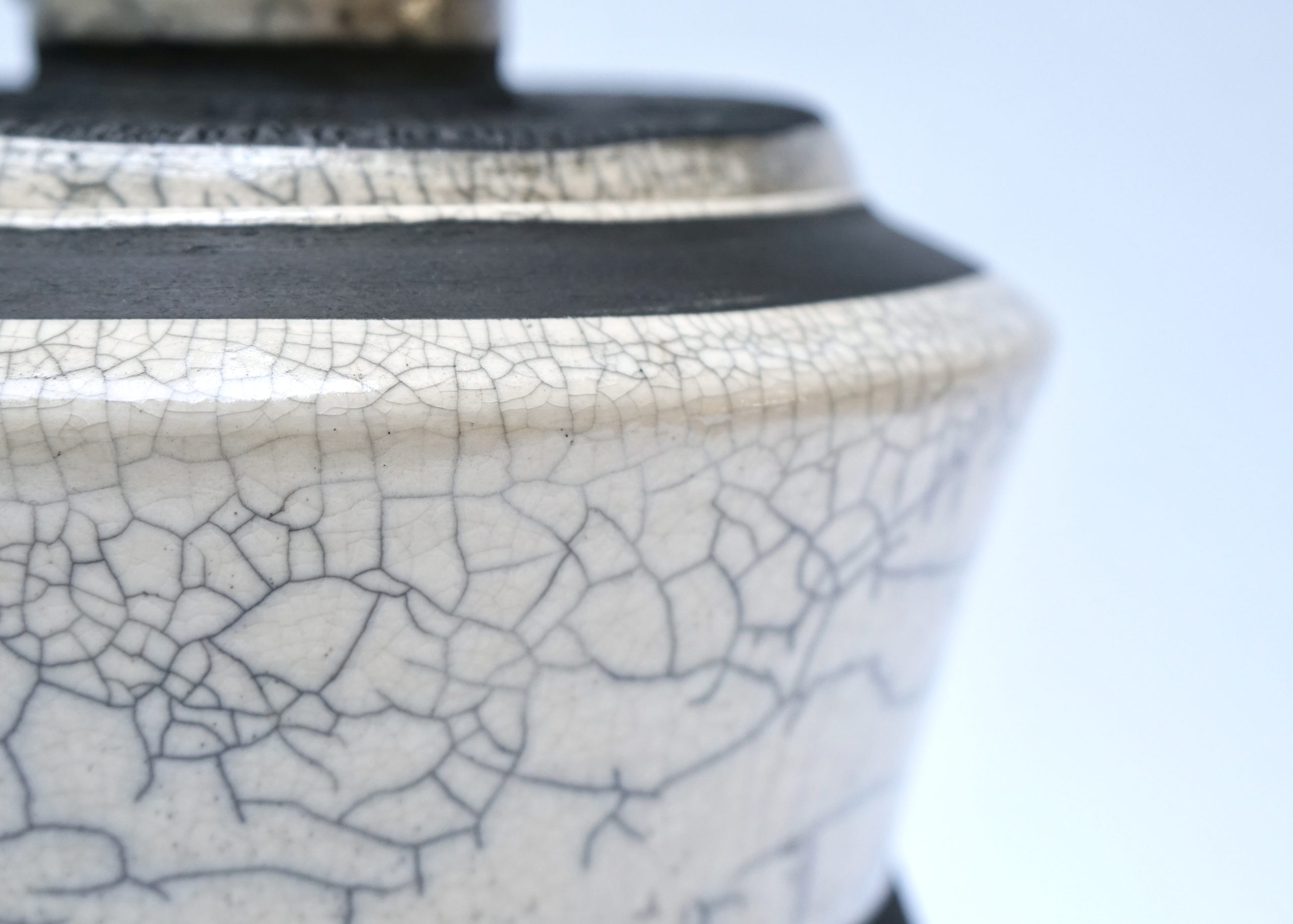
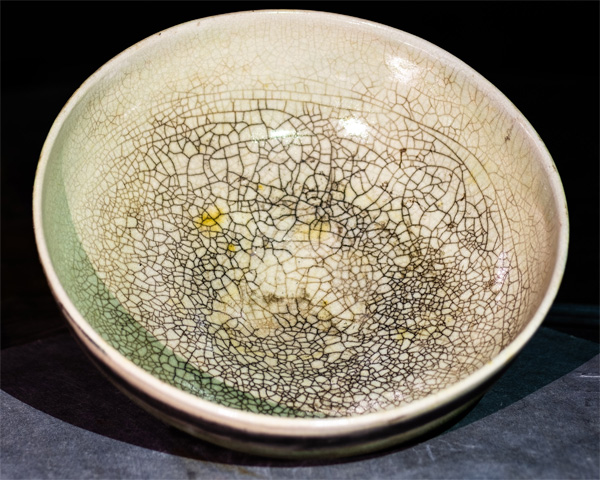
The cracks that appear on raku surfaces are not flaws, but stories. Change, rupture, and transformation are natural parts of the process—just as they are in our own lives. These marks are what make each piece unique, human, and honest.
This approach is deeply connected to a philosophy that sees imperfection not as a lack, but as a value. Letting go of control is liberating and allows true beauty to reveal itself. Raku pieces are alive precisely because they are imperfect.
This approach is deeply connected to a philosophy that sees imperfection not as a lack, but as a value. Letting go of control is liberating and allows true beauty to reveal itself. Raku pieces are alive precisely because they are imperfect.
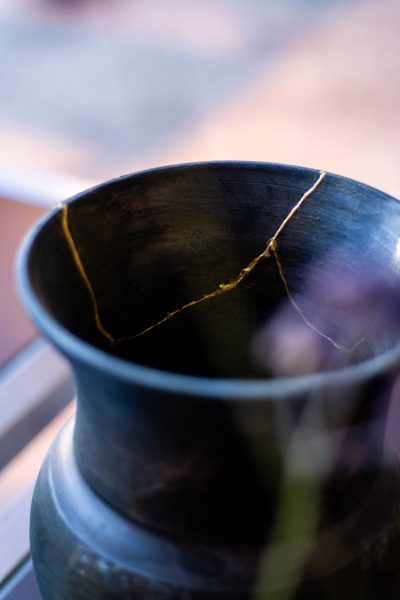
Bizonyos daraboknál a törések tovább élnek, új jelentést kapnak: nem eltűnnek, hanem hangsúlyt nyernek. Ezek a munkák az elfogadásról, a gyógyulásról és az átalakulásról szólnak. Hiszem, hogy a sérülések nem gyengítenek bennünket – épp ellenkezőleg, mélységet, karaktert és történetet adnak.
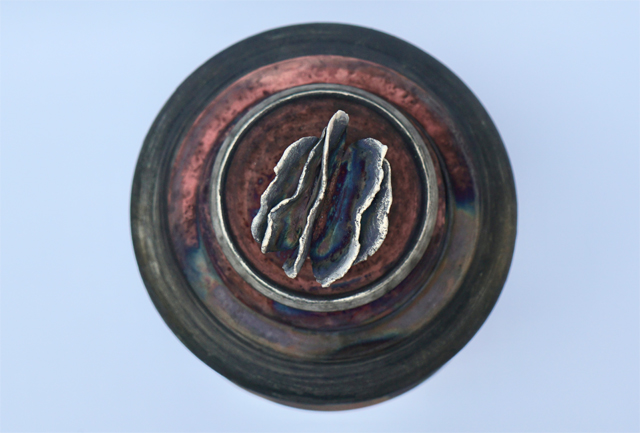
I feel fortunate to work with techniques that are in harmony not only technically, but also philosophically. The unity of nature, material, and inner process is not a concept for me, but a lived experience—one that continues to resonate in every piece I create.
Számomra az alkotás nem cél, hanem kapcsolat: párbeszéd az anyaggal és önmagammal. A raku és a hozzá kapcsolódó szemlélet megtanított arra, hogy a bizonytalanság nem ellenség, hanem iránytű. Amikor elfogadom a kiszámíthatatlanságot, a folyamat őszintévé válik, és a tárgy képes tükrözni azt a belső állapotot, amelyben megszületett. Így válik az alkotás egyszerre személyessé és univerzálissá.
Introduction
My name is Ágnes Soltész, I am a ceramic artist.
Since childhood, it has been my dream to work with clay. I watched with fascination as forms emerged on the potter’s wheel, witnessing the moment when material comes alive under human hands. Although it took many years for this dream to be fulfilled, once I finally stepped onto this path, the experience was overwhelming—it fundamentally transformed my life.
For me, creation is not merely about shaping objects, but about an inner process. While working with clay, not only objects are born, but encounters as well: with the material, with nature, and with myself. I believe that true quality arises from authentic, self-honest creation. “When it comes to being yourself, there are no rules. We are limitless until we set boundaries for ourselves.”
„Ha arról van szó, hogy légy önmagad, nincsenek szabályok. Határtalanok vagyunk, amíg nem szabunk határokat saját magunknak.”
In my work, I seek the natural character of the material, the visible trace of the hand, and the uniqueness of the moment. Each piece carries the imprint of an inner journey—singular and unrepeatable, just like the process through which it came into being.
The Philosophy Behind My Work
The world of raku ceramics is especially close to me, as this technique never allows full control over the outcome. Fire, air, water, and earth shape the final result together, often in unpredictable ways. This uncertainty is not an obstacle but an opportunity—it teaches surrender and presence.
During the creative process, my intention is not to dominate the material, but to work in harmony with it. When I am truly present and accept the forces of nature, creation transcends the object itself and becomes an inner experience. In these moments, the ceramic is no longer merely a functional or aesthetic piece, but the reflection of an inner state.
The cracks that appear on raku surfaces are not flaws, but stories. Change, rupture, and transformation are natural parts of the process—just as they are in our own lives. These marks are what make each piece unique, human, and honest.
This approach is deeply connected to a philosophy that sees imperfection not as a lack, but as a value. Letting go of control is liberating and allows true beauty to reveal itself. Raku pieces are alive precisely because they are imperfect.
This approach is deeply connected to a philosophy that sees imperfection not as a lack, but as a value. Letting go of control is liberating and allows true beauty to reveal itself. Raku pieces are alive precisely because they are imperfect.
Bizonyos daraboknál a törések tovább élnek, új jelentést kapnak: nem eltűnnek, hanem hangsúlyt nyernek. Ezek a munkák az elfogadásról, a gyógyulásról és az átalakulásról szólnak. Hiszem, hogy a sérülések nem gyengítenek bennünket – épp ellenkezőleg, mélységet, karaktert és történetet adnak.
I feel fortunate to work with techniques that are in harmony not only technically, but also philosophically. The unity of nature, material, and inner process is not a concept for me, but a lived experience—one that continues to resonate in every piece I create.
Számomra az alkotás nem cél, hanem kapcsolat: párbeszéd az anyaggal és önmagammal. A raku és a hozzá kapcsolódó szemlélet megtanított arra, hogy a bizonytalanság nem ellenség, hanem iránytű. Amikor elfogadom a kiszámíthatatlanságot, a folyamat őszintévé válik, és a tárgy képes tükrözni azt a belső állapotot, amelyben megszületett. Így válik az alkotás egyszerre személyessé és univerzálissá.